The art of painting
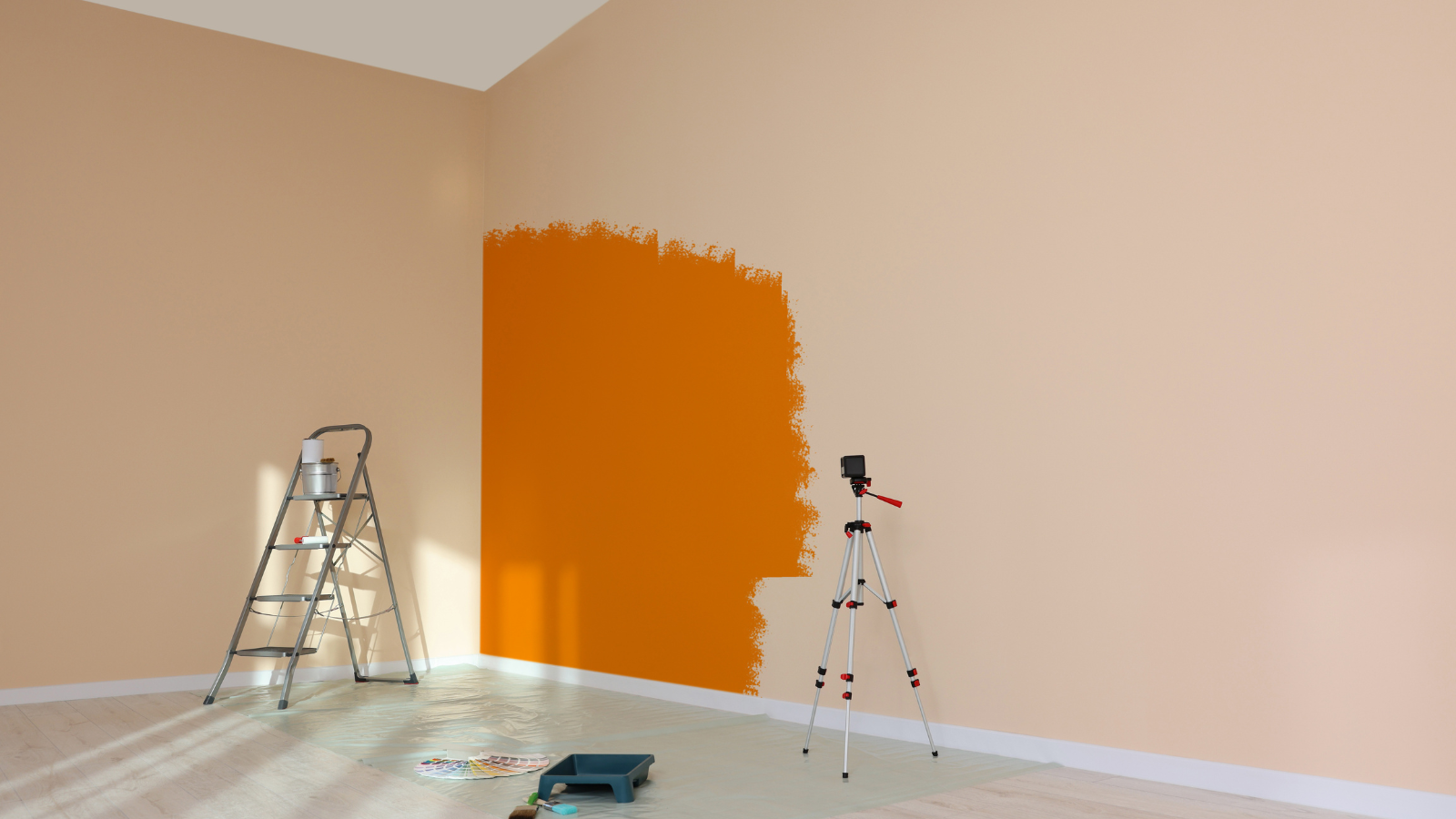
Walls are not just a background. They are the “canvas” of your home. The first thing you see when you enter a room. With proper preparation, the right tools and a bit of patience, you can achieve results that even professionals would admire.
Below you’ll find everything you need to know, without unnecessary theory.
How much paint?
The classic question on the way to the paint store: “How much do I need?”
There is no single answer. It depends on:
- Ceiling height
- Number of coats
- Whether the surface is porous or previously painted
- Whether you are making a drastic color change, especially from dark to very light
A room of approximately 4×4 m usually requires about 60 liters, but this is a general estimate. If there are many openings (doors, windows), the quantity decreases. If the walls absorb more paint, it increases. Golden rule: calculate properly before buying. It is better to have a little extra than to run out and buy a second batch that may have a slight shade difference.
How many coats?
In most cases, two. In some cases, a third coat may be needed.
- Dark shades (such as black or deep blue) often require two full coats — sometimes even a third, especially when covering a light-colored wall
- Light shades usually cover well with two coats, provided the wall is properly prepared and primed
- If going from dark to very light (e.g. dark brown to beige), you will likely need an extra coat or a tinted primer to prevent the old color from showing through
Primer is not an exaggeration. It is insurance. It improves adhesion, evens out the surface and saves you from unnecessary extra coats.
And something critical: always allow the proper drying time between coats. If you rush, the result will remind you every time you look at the wall.
Small moves that make a big difference
Stop at the right point
If you need to pause, do it at a natural “break”: a corner, a wall junction, or a change in level. Do not stop in the middle of a wall — the joint will show and you will have to repaint the entire wall.
Do not finish a can in the middle of a wall
When the first can is nearly empty, find a stopping point. Open the next one and mix them together before continuing. This avoids subtle shade differences.
Clean immediately
Splashes and drips are easily removed with a damp cloth while the paint is still fresh. Once it dries, it becomes much harder.
The secret lies in preparation
80% of the result is determined before you even touch the wall:
- Fill where needed
- Light sanding
- Clean, dry surface
- Proper mixing of the paint
DIY painting is not rocket science. But it is not just “a quick coat and done” either. Like any craft, it has its technique and its secrets. If approached properly, with the right preparation and attention to detail, you move from simply completing a task to transforming a space with your own hands—and that has a different value.
Discover Vernilac’s Specialized Tools
Visualizer
See the color that suits you in real spaces.
Calculator
How many liters do you need?
Tip Vernilac
With high-coverage products such as 1&GO, you can reduce the number of coats and application time by up to 50%.
Inspiration
Inspiration for every space
Discover ideas and color combinations for every room in your home. From the kitchen to the bedroom, find the perfect inspiration for your own project.